- terrycollins1
- May 22, 2011
Humanity can and must do more with less: UNEP
United Nations Environment Programme, Nairobi / Paris 12 May 2011 By 2050, humanity could consume an estimated 140 billion tons of minerals, ores, fossil fuels


United Nations Environment Programme, Nairobi / Paris 12 May 2011 By 2050, humanity could consume an estimated 140 billion tons of minerals, ores, fossil fuels

InterAction Council / United Nations University Institute for Water, Environment and Health 20 March 2011 Water as an “urgent security issue” tops the agenda this

United Nations University – Solving the E-Waste Problem (StEP) 1 May 2011 The US Environmental Protection Agency is stepping up international efforts to help curb

United Nations University, Institute for Water, Environment and Health, Hamilton, Canada 6 Feb 2011 Pharmaceuticals, illicit drugs, shampoo, toothpaste, pesticides, chemical run-off from highways and many

United Nations Environment Programme (UNEP) Division of Technology Industry and Economics Paris 15-Jul-2010 In 2009, for the second year in a row, both the US

United Nations University 14-Apr-2010 UNU-INWEH report offers 9-point prescription for achieving Millennium Development Goal for sanitation Far more people in India have access to
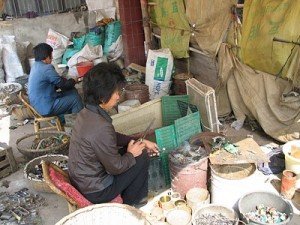
22-Feb-2010 United Nations University, Tokyo / United Nations Environment Programme, Nairobi Rocketing sales of cell phones, gadgets, appliances forecast in China, India, elsewhere Sales of electronic

United Nations University 1-Feb-2010More than two dozen leading United Nations water experts will convene in Hamilton, Canada Feb. 2-4 to plan fresh strategy for a

e8 Montreal 21-Jan-2010 2,000-year-old ‘stairway to heaven,’ a threatened World Heritage Site, to benefit from proceeds of $1 million, e8-donated mini-hydro project Philippines officials today
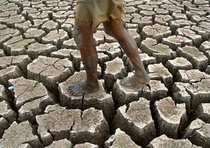
Christensen Fund, Palo Alto, California 3-Dec-09 A delegation of more than 20 indigenous teens, women, elders and shamen heading to historic Copenhagen climate talks today offered

29-Nov-2009 United Nations University Tokyo / Darwin Carbon credits bring millions for new jobs in indigenous communities; Australian project a model of opportunity, especially for
16-Nov-2009 Global Alliance for Chronic Diseases Agencies managing 80 percent of global public health research funding set first priorities for common, concerted efforts on heart
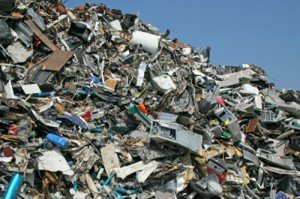
United Nations University 15 September 2009 Sold in 2006: 230 million computers, 1 billion cell phones, 45.5 million TVs; many destined for uncontrolled disposal without

e8, Montreal 19 July 2009 Pacific nation of 9 islands seeks to expand first solar system, donated by e8, a consortium of G8 country electricity

Global Alliance for Chronic Diseases London / Washington / Toronto 15-Jun-2009 Six of the world’s foremost health agencies, collectively managing an estimated 80% of all

United Nations Environment Programme Nairobi / Paris 3-Jun-2009 Some $155 billion was invested in 2008 in clean energy companies and projects worldwide, not including large

United Nations University Programme for Biotechnology for Latin America and the Caribbean (UNU-BIOLAC), Caracas, Venezuela 8-Feb-2009 The growing relationship between scientists and curators is the focus of a
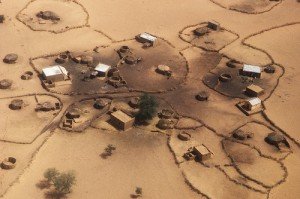
United Nations University 11-Nov-2008 “Arid aquaculture” using ponds filled with salty, undrinkable water for fish production is one of several options experts have proven to
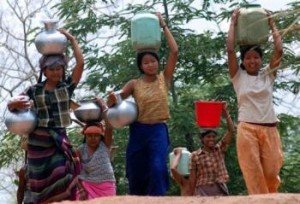
United Nations University Tokyo Japan / Hamilton, Canada 19-Oct-2008 Simply installing toilets where needed throughout the world and ensuring safe water supplies would do
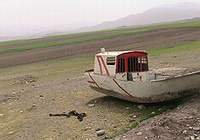
United Nations University Tokyo, Japan 8-Oct-2008 A growing international consensus to formally recognize and protect people uprooted by environmental problems is expected to accelerate at
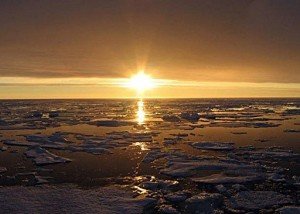
United Nations University Tokyo 7-Sep-2008 A new co-ordinated international set of rules to govern commercial and research activities in both of Earth’s polar regions is

United Nations University 25-Jul-2008Critical food shortages and growing demand for bio-fuels and hydro-electricity due to high fossil fuel prices rank among the greatest threats today