20 Jul 11
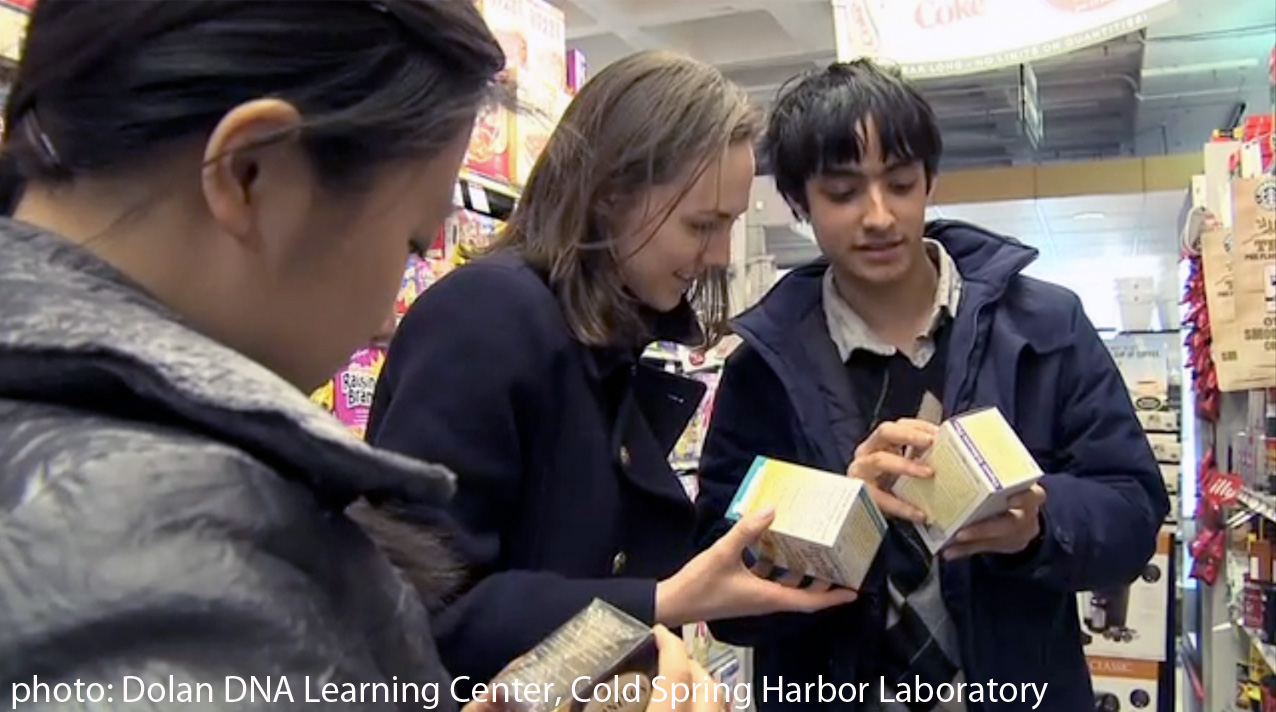
Take a second look at your iced or steaming tea. Guided by scientific experts, three New York City high school students using tabletop DNA technologies found several herbal brews and a few brands of tea contain ingredients unlisted on the manufacturers’ package.
The teen sleuths also demonstrated new-to-science genetic variation between broad-leaf teas from exported from India versus small-leaf teas exported from China.
Guided by DNA “barcoding” experts at The Rockefeller University, an ethno-botanist at Tufts University and a molecular botany expert at The New York Botanical Garden, co-authors Catherine Gamble, 18, Rohan Kirpekar, 18, and Grace Young, 15, of Trinity School in Manhattan, published their findings today in the Nature journal Scientific Reports.
The unlisted ingredients included weeds such as annual bluegrass and herbal plants such as chamomile. The surprise ingredients are mostly harmless but could affect a tiny minority of consumers with acute allergies. Three (4 percent) of the 70 tea products tested and 21 (35 percent) of 60 herbal products had unlisted ingredients.
Full news release: click here
Coverage summary: click here
Example coverage, by The New York Times (includes video): click here. By Scientific American: click here
]]>New York City
28-Dec-2009
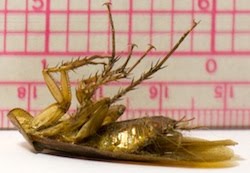 Two New York City high school students exploring their homes using the latest high-tech DNA analysis techniques were astonished to discover a veritable zoo of 95 animal species surrounding them, in everything from fridges to furniture, from sidewalks to shipping boxes, and from feather dusters to floor corners.
Guided by DNA “barcoding” experts at The Rockefeller University and the American Museum of Natural History, Grade 12 students Brenda Tan and Matt Cost of Trinity School, Manhattan, also revealed a lot of apparent consumer fraud in progress, finding that the labels of 11 of 66 food products purchased at local markets misrepresented the actual contents.
The January edition of BioScience magazine will report on their “DNA House” project, detailed as well online at http://phe.rockefeller.edu/barcode/dnahouse.html
Full news release: click here
]]>22-Aug-08
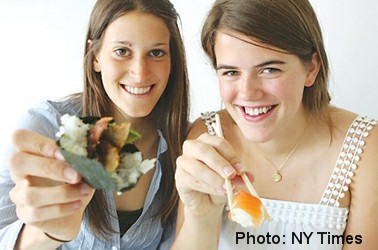 Two New York City high school friends, curious about new DNA barcoding technology, discovered that fish at local stores and restaurants are commonly mislabeled and sold for far more than regular market price.
Worse, in two cases DNA barcode tests revealed that filleted fish sold as the popular Red Snapper (caught mostly off the southeast U.S. and in the Caribbean) was instead the endangered Acadian Redfish (which swims in the North Atlantic).
Coverage highlights:
New York Times (A1): Fish Tale Has DNA Hook: Students Find Bad Labels, here
More:
| Associated Press |
| Reuters |
| Agence France Presse |
| Canadian Press |
| CanWest |
| NewScientist |
| United Press International |
| ANSA |