Humanity is “at a crossroads” when it comes to managing drought and accelerating mitigation must be done “urgently, using every tool we can,” says a new report from the United Nations Convention to Combat Desertification (UNCCD).
“Drought In Numbers, 2022,” released today to mark Drought Day at UNCCD’s 15th Conference of Parties (COP15, 9-20 May in Abidjan, Côte d’Ivoire) – calls for making a full global commitment to drought preparedness and resilience in all global regions a top priority.
The report, an authoritative compendium of drought-related information and data, helps inform negotiations of one of several decisions by UNCCD’s 196 member states, to be issued 20 May at the conclusion of COP15.
“The facts and figures of this publication all point in the same direction: an upward trajectory in the duration of droughts and the severity of impacts, not only affecting human societies but also the ecological systems upon which the survival of all life depends, including that of our own species.” says Ibrahim Thiaw, Executive Secretary of the UNCCD.
The report creates a compelling call to action. For example:
- Since 2000, the number and duration of droughts has risen 29%
- From 1970 to 2019, weather, climate and water hazards accounted for 50% of disasters and 45% of disaster-related deaths, mostly in developing countries
- Droughts represent 15% of natural disasters but took the largest human toll, approximately 650,000 deaths from 1970-2019
- From 1998 to 2017, droughts caused global economic losses of roughly USD 124 billion
- In 2022, more than 2.3 billion people face water stress; almost 160 million children are exposed to severe and prolonged droughts
Unless action is stepped up:
- By 2030, an estimated 700 million people will be at risk of being displaced by drought
- By 2040, an estimated one in four children will live in areas with extreme water shortages
- By 2050, droughts may affect over three-quarters of the world’s population, and an estimated 4.8-5.7 billion people will live in areas that are water-scarce for at least one month each year, up from 3.6 billion today. And up to 216 million people could be forced to migrate by 2050, largely due to drought in combination with other factors including water scarcity, declining crop productivity, sea-level rise, and overpopulation
- See below for additional report highlights
“We are at a crossroads,” says Mr. Thiaw. “We need to steer toward the solutions rather than continuing with destructive actions, believing that marginal change can heal systemic failure.”
“One of the best, most comprehensive solutions is land restoration, which addresses many of the underlying factors of degraded water cycles and the loss of soil fertility. We must build and rebuild our landscapes better, mimicking nature wherever possible and creating functional ecological systems.”
Beyond restoration, he adds, is the need for a paradigm shift from ‘reactive’ and ‘crisis-based’ approaches to ‘proactive’ and ‘risk-based’ drought management approaches involving coordination, communication and cooperation, driven by sufficient finance and political will.
Needed as well:
- Sustainable and efficient agricultural management techniques that grow more food on less land and with less water
- Changes in our relationships with food, fodder and fiber, moving toward plant-based diets, and reducing or stopping the consumption of animals
- Concerted policy and partnerships at all levels
- Development and implementation of integrated drought action plans
- Set up effective early-warning systems that work across boundaries
- Deployment of new technologies such as satellite monitoring and artificial intelligence to guide decisions with greater precision
- Regular monitoring and reporting to ensure continuous improvement
- Mobilize sustainable finance to improve drought resilience at the local level
- Invest in soil health
- Work together and include and mobilize farmers, local communities, businesses, consumers, investors, entrepreneurs and, above all, young people
The new UNCCD report notes that 128 countries have expressed willingness to achieve or exceed Land Degradation Neutrality. And nearly 70 countries participated in the UNCCD’s global drought initiative, which aims to shift from reactive approaches to drought to a proactive and risk-reducing approach.
Mr. Thiaw underlined the importance of promoting public awareness about desertification and drought, and letting people know the problems can be effectively tackled “through ingenuity, commitment and solidarity.”
“We all must live up to our responsibility to ensure the health of present and future generations, wholeheartedly and without delay.”
The COP15 decision on drought is expected to touch on five interrelated areas:
- drought policies
- early warning, monitoring and assessment
- knowledge sharing and learning
- partnerships and coordination, and
- drought finance
* * * * *
Additional highlights, Drought in Numbers, 2022
Drought around the world (1900-2022)
- More than 10 million people died due to major drought events in the past century, causing several hundred billion USD in economic losses worldwide. And the numbers are rising
- Severe drought affects Africa more than any other continent, with more than 300 events recorded in the past 100 years, accounting for 44% of the global total. More recently, sub-Saharan Africa has experienced the dramatic consequences of climate disasters becoming more frequent and intense
- In the past century, 45 major drought events occurred in Europe, affecting millions of people and resulting in more than USD 27.8 billion in economic losses. Today, an annual average of 15% of the land area and 17% of the population within the European Union is affected by drought
- In the U.S., crop failures and other economic losses due to drought have totaled several hundred billion USD over the last century – USD 249 billion alone since 1980
- Over the past century, the highest total number of humans affected by drought were in Asia
Impacts on human society
- Over 1.4 billion people were affected by drought from 2000 to 2019. This makes drought the disaster affecting the second-highest number of people, after flooding. Africa suffered from drought more frequently than any other continent with 134 droughts, of which 70 occurred in East Africa
- The effect of severe droughts was estimated to have reduced India’s gross domestic product by 2-5% over the 10 years 1998 to 2017
- As a result of the Australian Millennium Drought, total agricultural productivity fell by 18% from 2002 to 2010
- Greater burdens and suffering are inflicted on women and girls in emerging and developing countries in terms of education levels, nutrition, health, sanitation, and safety
- The burden of water collection – especially in drylands – falls disproportionately on women (72%) and girls (9%), who, in some cases, spend as much as 40% of their calorific intake carrying water
- Droughts have deep, widespread and underestimated impacts on societies, ecosystems, and economies, with only a portion of the actual losses accounted for
- A 2017 California case study showed that an increase of about 100 drought stories over two months was associated with a reduction of 11 to 18% in typical household water-use
Impacts on ecosystems
- The percentage of plants affected by drought has more than doubled in the last 40 years, with about 12 million hectares of land lost each year due to drought and desertification
- Ecosystems progressively turn into carbon sources, especially during extreme drought events, detectable on five of six continents
- One-third of global carbon dioxide emissions is offset by the carbon uptake of terrestrial ecosystems, yet their capacity to sequester carbon is highly sensitive to drought events
- 14% of wetlands critical for migratory species, as listed by Ramsar, are located in drought-prone regions
- The megadrought in Australia contributed to ‘megafires’ in 2019-2020 resulting in the most dramatic loss of habitat for threatened species in postcolonial history; about 3 billion animals were killed or displaced in the Australian wildfires
- Drought-induced peatland fires in Indonesia resulted in decreasing biodiversity, including both the number of individuals as well as plant species
- Photosynthesis in European ecosystems was reduced by 30% during the summer drought of 2003, which resulted in an estimated net carbon release of 0.5 gigatons
- 84% of terrestrial ecosystems are threatened by changing and intensifying wildfires
- During the first two decades of the 21st century, the Amazon experienced 3 widespread droughts, all of which triggered massive forest fires. Drought events are becoming increasingly common in the Amazon region due to land-use and climate change, which are interlinked.
- If Amazonian deforestation continues unabated, 16% of the region’s remaining forests will likely burn by 2050
Predictable futures
- Climate change is expected to increase the risk of droughts in many vulnerable regions of the world, particularly those with rapid population growth, vulnerable populations and challenges with food security
- Within the next few decades, 129 countries will experience an increase in drought exposure mainly due to climate change alone – 23 primarily due to population growth and 38 mostly due to the interaction between climate change and population growth
- If global warming reaches 3 degrees Celsius by 2100 as some predict, drought losses could be five times higher than they are today, with the largest increase in the Mediterranean and the Atlantic regions of Europe
- In Angola, more than 40% of livestock, a significant livelihood source accounting for 31.4% of the agricultural GDP, is currently exposed to droughts and expected to rise to 70% under projected climate conditions
- In the E.U. and U.K., annual losses from drought are currently estimated to be around EUR 9 billion and projected to rise to more than EUR 65 billion without meaningful climate action
Successful business cases
- By adopting drip irrigation, small-scale vegetable farmers in drought-prone provinces of VietNam (Binh Phouc), Cambodia (Prey Veng and Svay Reing), the Philippines (Lantapan and Bukidnon) and Indonesia (Reing and Bogor, West Java; Rembang, East Java) were able to increase water use efficiency by up to 43% and yield by 8-15%
- With the highest water efficiency rate in agriculture, reaching a 70-80% rate, drip irrigation has helped to solve the problem of water scarcity in Israel
Other highlights
- Information Technology and Indigenous Knowledge with Intelligence (ITIKI) is a drought early warning system that integrates Indigenous knowledge and drought forecasting to help small-scale farmers make more informed decisions, for example, on when and how to plant which crops. The support forecast models provides accuracy of 70-98% for lead-times of up to four years, as shown by trials in Mozambique, Kenya and South Africa
- Up to USD 1.4 trillion in production value can be generated globally by adopting sustainable land and water management practices
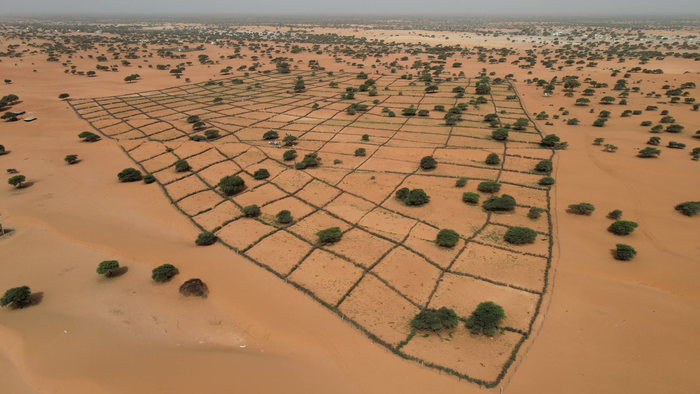
- Approximately 4 million hectares of degraded land within “strict intervention zones” have been rehabilitated under the framework of the African Union–led restoration initiative known as the Great Green Wall – 4% of the Wall’s ultimate target of restoring 100 million hectares, helping to reduce the immanent threats of desertification and drought
* * * * *
Related: UNCCD’s flagship Global Land Outlook 2(GLO2) report, five years in development with 21 partner organizations, and with over 1,000 references, is the most comprehensive consolidation of information on the topic ever assembled.
Released Apr. 27, it reported up to 40% of all ice-free land is already degraded, with dire consequences for climate, biodiversity and livelihoods.
* * * * *
Media coverage highlights:
Associated Press, United States: Jordan’s restoration efforts push back on degrading land, https://www.msn.com/en-us/news/us/jordans-restoration-efforts-push-back-on-degrading-land/ar-AAWElVc
Agence France Presse, France: Restoring damaged land key to climate, biodiversity goals, https://www.msn.com/en-us/news/technology/restoring-damaged-land-key-to-climate-biodiversity-goals/ar-AAWEhFr
Daily Mail, United Kingdom: Humanity is ‘at a crossroads’ in the management of droughts; Number and duration has surged 29% since 2000 – and mitigation is needed urgently, UN warns https://www.dailymail.co.uk/sciencetech/article-10805363/Number-droughts-surged-29-2000-mitigation-needed-urgently-warns.html
BBC, United Kingdom: Nature loss: ‘Insatiable greed’ degrading land around the world, https://news.yahoo.com/nature-loss-insatiable-greed-degrading-152555489.html
The Independent, United Kingdom
World ‘at crossroads’ as droughts surge 29% in 20 years and are only getting worse, UN warns
ABC News, United States
Millions of lives at risk as famine stalks Horn of Africa
francetv info, France
Côte d’Ivoire : L’humanité à la croisée des chemins selon la COP15, Conférence sur la désertification et la dégradation des terres, qui se tient à Abidjan
The Hill, United States
Droughts increase 29 percent in a generation, only getting worse: UN
The Hindu, India
Explained | The UN report that highlights India’s vulnerability to drought
Full coverage summary, click here
News release in full, click here
]]>- Up to 40 % of the planet’s land is degraded, directly affects half of humanity, threatens roughly half of global GDP (US$44 trillion);
- If business as usual continued through 2050, report projects additional degradation of an area almost the size of South America;
- Nations’ current pledge to restore 1 billion degraded hectares by 2030 requires $US 1.6 trillion this decade – a fraction of today’s annual $700 billion in fossil fuel and agricultural subsidies;
- As food prices soar amid rapid climate and other planetary changes, “crisis footing” needed to conserve, restore and use land sustainably;
- Most comprehensive report on topic ever, released shortly before UNCCD’s COP15 in Africa
The way land resources – soil, water and biodiversity – are currently mismanaged and misused threatens the health and continued survival of many species on Earth, including our own, warns a stark new report from the United Nations Convention to Combat Desertification (UNCCD).
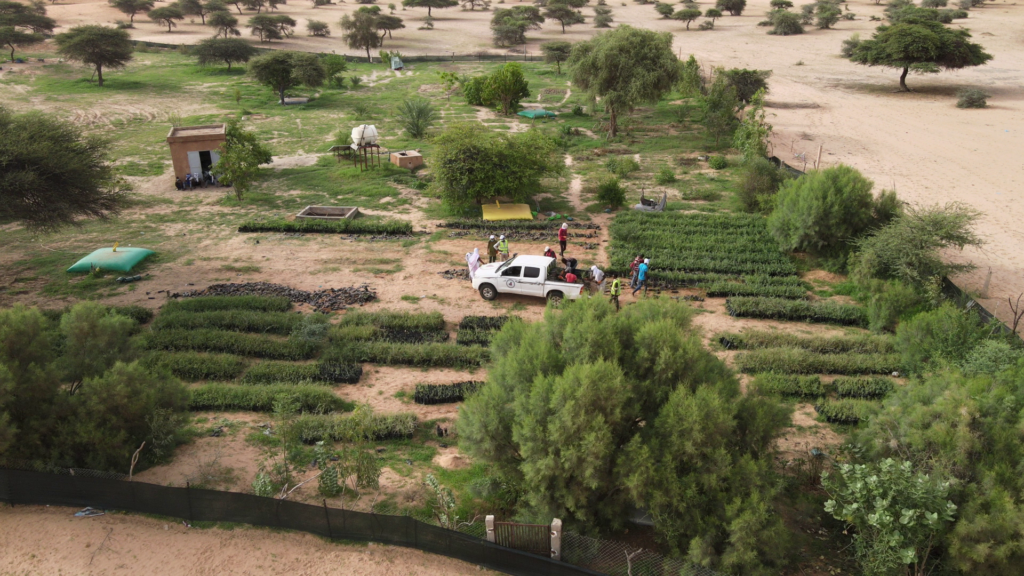
It also points decision makers to hundreds of practical ways to effect local, national and regional land and ecosystem restoration.
UNCCD’s evidence-based flagship Global Land Outlook 2 (GLO2) report, five years in development with 21 partner organizations, and with over 1,000 references, is the most comprehensive consolidation of information on the topic ever assembled.
It offers an overview of unprecedented breadth and projects the planetary consequences of three scenarios through 2050: business as usual, restoration of 50 million square km of land, and restoration measures augmented by the conservation of natural areas important for specific ecosystem functions.
It also assesses the potential contributions of land restoration investments to climate change mitigation, biodiversity conservation, poverty reduction, human health and other key sustainable development goals.
Warns the report: “At no other point in modern history has humanity faced such an array of familiar and unfamiliar risks and hazards, interacting in a hyper-connected and rapidly changing world. We cannot afford to underestimate the scale and impact of these existential threats.”
“Conserving, restoring, and using our land resources sustainably is a global imperative, one that requires action on a crisis footing…Business as usual is not a viable pathway for our continued survival and prosperity.”
GLO2 offers hundreds of examples from around the world that demonstrate the potential of land restoration. It is being released before the UNCCD’s 15th session of the Conference of Parties to be held in Abidjan, Côte d’Ivoire (COP15, 9-20 May).
Says Ibrahim Thiaw, Executive Secretary of the UNCCD: “Modern agriculture has altered the face of the planet more than any other human activity. We need to urgently rethink our global food systems, which are responsible for 80% of deforestation, 70% of freshwater use, and the single greatest cause of terrestrial biodiversity loss.”
“Investing in large-scale land restoration is a powerful, cost-effective tool to combat desertification, soil erosion, and loss of agricultural production. As a finite resource and our most valuable natural asset, we cannot afford to continue taking land for granted.”
Future scenarios
The report predicts the outcomes by 2050 and risks involved under three scenarios:
• Baseline: Business as usual, continuing current trends in land and natural resource degradation, while demands for food, feed, fiber, and bioenergy continue to rise. Land management practices and climate change continue to cause widespread soil erosion, declining fertility and growth in yields, and the further loss of natural areas due to expanding agriculture.
By 2050:
- 16 million square kilometers show continued land degradation (almost the size of South America)
- A persistent, long-term decline in vegetative productivity is observed for 12-14% of agricultural, pasture and grazing land, and natural areas – with sub-Saharan Africa worst affected.
- An additional 69 gigatonnes of carbon is emitted from 2015 to 2050 due to land use change and soil degradation This represents 17% of current annual greenhouse gas emissions: soil organic carbon (32 gigatonnes), vegetation (27 gigatonnes), peatland degradation/conversion (10 gigatonnes).
• Restoration: Assumes the restoration of around 5 billion hectares (50 million square kilometers or 35% of the global land area) using measures such as agroforestry, grazing management, and assisted natural regeneration. (Current international pledges: 10 million square kilometers).
By 2050:
- Crop yields increase by 5-10% in most developing countries compared to the baseline. Improved soil health leads to higher crop yields, with the largest gains in the Middle East and North Africa, Latin America, and subSaharan Africa, limiting food price increases.
- Soil water holding capacity would increase by 4% in rainfed croplands.
- Carbon stocks rise by a net 17 gigatonnes between 2015 and 2050 due to gains in soil carbon and reduced emissions.
- Biodiversity continues to decline, but not as quickly, with 11% of biodiversity loss averted.
• Restoration and Protection: This scenario includes the restoration measures, augmented with protection measures of areas important for biodiversity, water regulation, conservation of soil and carbon stocks, and provision of critical ecosystem functions.
By 2050:
- An additional 4 million square kilometers of natural areas (the size of India and Pakistan); largest gains expected in South and Southeast Asia and Latin America. Protections would prevent land degradation by logging, burning, draining, or conversion.
- About a third of the biodiversity loss projected in the baseline would be prevented
- An additional 83 gigatonnes of carbon are stored compared to the baseline. Avoided emission and increased carbon storage would be equivalent to more than seven years of total current global emissions.
See below for additional scenario projections and information
Other key points in the report include:
- $US 44 trillion – roughly half the world’s annual economic output – is being put at risk by the loss of finite natural capital and nature’s services, which underpin human and environmental health by regulating climate, water, disease, pests, waste and air pollution, while providing numerous other benefits such as recreation and cultural benefits.
- The economic returns of restoring land and reducing degradation, greenhouse gas emissions and biodiversity loss could be as high as $US 125-140 trillion every year – up to 50% more than the $93 trillion global GDP in 2021
- Repurposing in the next decade just $US 1.6 trillion of the annual $700 billion in perverse subsidies given to the fossil fuel and agricultural industries would enable governments to meet current pledges to restore by 2030 some 1 billion degraded hectares – an area the size of the USA or China – including 250 million hectares of farmland
- Restoring land, soils, forests and other ecosystems would contribute more than one-third of the cost-effective climate change mitigation needed to limit global warming to 1.5°C while supporting biodiversity conservation, poverty reduction, human health and other key sustainable development goals
- Many traditional and modern regenerative food production practices can enable agriculture to pivot from being the primary cause of degradation to the principal catalyst for land and soil restoration
- Poor rural communities, smallholder farmers, women, youth, Indigenous Peoples, and other at-risk groups are disproportionately affected by desertification, land degradation, and drought. At the same time, traditional and local knowledge of Indigenous Peoples and local communities, proven land stewards, represent a vast store of human and social capital that must be respected and can be used to protect and restore natural capital
- Immediate financial support is needed to fund conservation and restoration in those developing countries with a greater share of the global distribution of intact, biodiverse, and carbon-rich ecosystems
- Restoration projects and programs tend to have long-term multiplier effects that strengthen rural economies and contribute to wider regional development. They generate jobs that cannot be outsourced, and investments stimulate demand that benefits local economies and communities
- Bringing together national action plans currently siloed under the UNCCD, Convention on Biological Diversity, and UN Framework Convention on Climate Change represents an immediate opportunity to align targets and commitments to implement land restoration, realize multiple benefits, and maximize returns on investment
- Land and resource rights, secured through enforceable laws and trusted institutions, can transform underperforming land assets into sustainable development opportunities, helping maintain equitable and cohesive societies
- Inclusive and responsible land governance, including tenure security, is an effective way to balance trade-offs and harness synergies that optimize restoration outcomes
- Grasslands and savannas are productive, biodiverse ecosystems that match forests both in their global extent and their need for protection and restoration. Equally important are wetlands, which are in long-term decline averaging losses at three times the rate of global forest loss in recent decades. Sustaining their capacity to absorb and store carbon is key to a climate-resilient future
- Intensive monocultures and the destruction of forests and other ecosystems for food and commodity production generate the bulk of carbon emissions associated with land use change
- If current land degradation trends continue, food supply disruptions, forced migration, rapid biodiversity loss and species extinctions will increase, accompanied by a higher risk of zoonotic diseases like COVID-19, declining human health, and land resource conflicts
GLO2 offers hundreds of good practice snapshots from around the world that illustrate context-specific measures to combat environmental degradation, restore land health, and improve living conditions.
Many regenerative agriculture practices have the potential to increase crop yields and improve their nutritional quality while reducing greenhouse gas emissions and drawing down carbon from the atmosphere, it says.
Examples include rewilding – reducing the human footprint to allow natural ecological processes to re-establish themselves – in the Greater Côa Valley in northern Portugal and the Iberá wetlands in Argentina; drought preparedness and risk reduction through national programmes in Mexico, the USA, and Brazil; sand and dust storm source mitigation in Iraq, China, and Kuwait; and gender-responsive land restoration in Mali, Nicauragua, and Jordan. There are also cases of integrated flood and drought strategies as well as forest landscape restoration using high-value crops.
Good practices can involve terrace and contour farming, conserving and restoring watersheds, and rainwater harvesting and storage. In addition to their economic benefits, these measures improve water retention and availability, prevent soil erosion and landslides, reduce flood risk, sequester carbon, and protect biodiversity habitat.
Africa’s Great Green Wall, meanwhile, which aims to restore the continent’s degraded landscapes, exemplifies “a regional restoration initiative that embraces an integrated approach with the promise of transforming the lives of millions of people,” says the report.
“The case studies from around the world showcased in GLO2 make clear that land restoration can be implemented in almost all settings and at many spatial scales, suggesting that every country can design and implement a tailored land restoration agenda to meet their development needs,” says Mr. Thiaw.
Many of the cases, he adds, underscore the value of education, training, and capacity building, not just for local communities, but also for government officials, land managers, and development planners. Linking local engagement to national policies and budgets will help ensure a responsive and well-aligned restoration agenda that delivers tangible outcomes for people, nature, and the climate.
Preventing, halting, and reversing the degradation of ecosystems worldwide is the focus of the UN Decade on Ecosystem Restoration (2021-2030), which calls for a broad and balanced response, addressing all ecosystems and their connectivity to reestablish a healthy landscape mosaic. These efforts are closely aligned with SDG target 15.3, which calls on countries to strive to achieve Land Degradation Neutrality (LDN) by 2030.
“Hope remains as the decade of restoration has begun,” says Mr. Thiaw. “Now is the time to harness political will, innovation, and collective action to restore our land and soil for short-term recovery and long-term regeneration to ensure a more stable and resilient future.”
* * * * *
By the numbers, GLO2:
- 50%: Proportion of humanity affected by land degradation
- $US 7-30: benefits returned for every dollar invested in restoring degraded land
- Four: planetary boundaries (used to define a ‘safe operating space for humanity’) already exceeded: climate change, biodiversity loss, land use change, and geochemical cycles, breaches directly linked to human-induced desertification, land degradation, and drought
- 40%+: global land area occupied by agriculture
- 15%: proportion of the $US 700 billion paid out in commercial subsidies each year that positively impact natural capital, biodiversity, long-term job stability, or livelihoods
- 70%+: Tropical forest cleared for agriculture between 2013 and 2019 in violation of national laws or regulations
- 1%: Farms that control more than 70% of the world’s agricultural land
- 80%: Farms smaller than two hectares, representing 12% of total farmland
- 50%: Reduction of degraded land by 2040 pledged by G20 leaders in November 2020
- 115+: countries that had made quantitative, area-based commitments by the end of 2021, collectively a pledge to restore 1 billion hectares of farms, forests, and pastures
- 100+: Countries with plans for Land Degradation Neutrality (LDN) by 2030: ‘frameworks for action’ by local and national authorities, civil society, and the private sector
- 130: Countries that reaffirmed in the Glasgow Leaders Declaration on Forests and Land Use (Nov. 2021) their respective individual and collective commitments under the three Rio Conventions – on Desertification (UNCCD), Biological Diversity (CBD), and Climate Change (UNFCCC), supported by unprecedented corporate and donor pledges. It also includes commitments to facilitate trade and development policies that avoid deforestation and land degradation, especially regarding internationally-traded agricultural commodities, such as beef, soy, palm oil, and timber.
* * * * *
Comments
“The second edition of the Global Land Outlook is a must-read for the biodiversity community. The future of biodiversity is precarious. We have already degraded nearly 40 % and altered 70 % of the land. We cannot afford to have another “lost decade” for nature and need to act now for a future of life in harmony with nature. The GLO2 shows pathways, enablers and knowledge that we should apply to effectively implement the post-2020 Global Biodiversity Framework.”
- Elizabeth Mrema, Executive Secretary, UN Convention on Biological Diversity
“Land is the operative link between biodiversity loss and climate change, and therefore must be the primary focus of any meaningful intervention to tackle these intertwined crises. Restoring degraded land and soil provides fertile ground on which to take immediate and concerted action.”
- Andrea Meza Murillo, Deputy Executive Secretary, UNCCD
“As a global community we can no longer rely on incremental reforms within traditional planning and development frameworks to address the profound development and sustainability challenges we are facing in coming decades. A rapid transformation in land use and management practices that place people and nature at the center of our planning is needed, prioritizing job creation and building vital skill sets while giving voice to women and youth who have been traditionally marginalized from decision making.”
- Nichole Barger, report steering committee member, Department of Ecology and Evolutionary Biology, University of Colorado, USA
“Just as COVID-19 vaccines were developed, tested, and rolled out at unprecedented speed and scale, so too must land restoration and other nature-based solutions be undertaken to prevent further environmental decline and ensure a healthy and prosperous future. We can reduce the risk of zoonotic disease transmission, increase food and water security, and improve human health and livelihoods by managing, expanding, and connecting protected and natural areas, improving soil, crop, and livestock health in food systems, and creating green and blue spaces in and around cities.”
- Barron Orr, Lead Scientist, UNCCD
“Restoring long term health and productivity in food landscapes is a top priority to ensure future sustainability. Much as an investor uses financial capital to generate profits, regenerating a forest or improving soil health provides returns in the form of a future supply of timber or food.”
- Louise Baker, Director, Global Mechanism, UNCCD
“Indigenous Peoples and local communities are proven land stewards. The recognition of their rights and their involvement in the long-term management of their lands and of protected areas will be vital to success.”
- Miriam Medel, Chief, External Relations, Policy and Advocacy, UNCCD
“By designing an innovative, customized land restoration agenda that suits their needs, capacities, and circumstances, countries and communities can recover lost natural resources and better prepare for climate change and other looming threats.”
- Johns Muleso Kharika, Chief, Science, Technology and Innovation, UNCCD
* * * * *
GLO2: Additional scenario projections
Baseline: Business as usual
By 2050:
- 16 million square kilometers show continued land degradation (almost the size of South America)
- A persistent, long-term decline in vegetative productivity is observed for 12-14% of agricultural, pasture and grazing land, and natural areas – with sub-Saharan Africa worst affected.
- An additional 69 gigatonnes of carbon is emitted from 2015 to 2050 due to land use change and soil degradation This represents 17% of current annual greenhouse gas emissions: soil organic carbon (32 gigatonnes), vegetation (27 gigatonnes), peatland degradation/conversion (10 gigatonnes).
- A slowing in the growth of agricultural yields While agricultural yields are still projected to rise in all regions, land degradation will curb increases, especially in the Middle East, North Africa, sub-Saharan Africa, and Latin America. The loss of soil organic carbon and the soil’s ability to hold water and nutrients, such as phosphorus or nitrogen, will be primarily responsible for this slowing, while the associated risks of drought and water scarcity are expected to increase.
- The demand for food, expected to rise by 45% between 2015 and 2050, will have to be met by further intensification and expansion of agricultural land, resulting in the further loss of 3 million square kilometers of natural areas (the size of India), mainly in sub-Saharan Africa and Latin America.
Restoration Scenario
Assumes that land restoration done on a massive scale – across a potential 50 million square kilometers (5 billion hectares) with measures such as:
- Conservation agriculture (low- or no-till farming)
- Agroforestry and silvopasture (combining trees with crops, livestock, or both)
- Improved grazing management and grassland rehabilitation
- Forest plantations
- Assisted natural regeneration
- Cross-slope barriers to prevent soil erosion
This scenario envisions these measures applied to roughly 16 million square kilometers of cropland, 22 million of grazing land, and 14 million of natural areas. Sub-Saharan Africa and Latin America are estimated to have the largest areas with the potential for land restoration.
Compared to the baseline scenario, by 2050:
- Crop yields increase by 5-10% in most developing countries compared to the baseline Improved soil health leads to higher crop yields, with the largest gains in the Middle East and North Africa, Latin America, and subSaharan Africa, limiting food price increases.
- Soil water holding capacity would increase by 4% in rainfed croplands.
- Carbon stocks rise by a net 17 gigatonnes between 2015 and 2050 due to gains in soil carbon and reduced emissions. This is the balance of a net increase in soil organic carbon, increased carbon in agroforestry, and a continued loss of vegetation carbon due to land conversion. It does not account for the potential carbon storage gains above ground from forest restoration. Soil carbon stocks would be 55 gigatonnes larger in 2050 compared to the baseline, with the largest gains in Russia, Eastern Europe, Central Asia, and Latin America, while the biggest losses would be avoided in sub-Saharan Africa.
- Slowed biodiversity decline and loss of natural areas. Globally, the extent of natural areas continues to decline due to the expansion of agricultural and urban areas, except in Latin America where natural areas are projected to increase by 3%. Biodiversity would continue to decline, but not as quickly, with 11% of biodiversity loss averted.
Restoration and protection scenario, projections
This scenario includes the restoration measures, augmented with protection measures expanded to cover close to half of the Earth’s land surface by 2050 – a threefold increase on the current coverage. These protected areas are important for biodiversity, water regulation, conservation of soil and carbon stocks, and provision of critical ecosystem functions.
However, significantly increasing the extent of protected land would limit the expansion of agriculture. Under this constraint, current yields would have to be 9% higher by 2050 than in the baseline scenario to meet expected demand. Nonetheless, food prices are projected to increase, particularly in South and Southeast Asia, where a scarcity of agricultural land is already impacting food security.
Under this scenario, most of the new protected areas would have to be in sub-Saharan Africa and Latin America.
When compared to the baseline, the restoration and protection scenario would mean, by 2050:
- An additional 4 million square kilometers of natural areas (the size of India and Pakistan). With the largest gains expected in South and Southeast Asia and Latin America, protected areas would prevent land degradation by logging, burning, draining, or conversion.
- While biodiversity would continue to decline, about a third of the loss projected in the baseline would be prevented under restoration and protection measures.
- An additional 83 gigatonnes are stored compared to the baseline. Avoided emission and increased carbon storage would be equivalent to more than seven years of total current global emissions.
Further reading:
The global potential for land restoration: Scenarios for the Global Land Outlook 2
Restoration Commitments and Scenarios Goals and Commitments for the Restoration Decade: A global overview of countries’ restoration commitments under the Rio Conventions and other pledges
https://www.pbl.nl/en/publications/goals-and-commitments-for-the-restoration-decade
* * * * *
Notes to editors
Land degradation: The persistent or long-term loss of land-based natural capital. It gives rise to poverty, hunger, and environmental pollution, while making communities more vulnerable to disease and disasters like drought, floods, or wildfires. This is especially true in the drylands that cover more than 45% of the Earth’s land surface, home to one in three people.
Land restoration: A continuum of sustainable land and water management practices that can be applied to conserve or ‘rewild’ natural areas, ‘up-scale’ nature-positive food production in rural landscapes, and ‘green’ urban areas, infrastructure, and supply chains. Regenerative land use practices employed to boost soil health or recharge groundwater also enhance our ability to cope with drought, floods, wildfires, and sand and dust storms.
* * * * *
The formal launch of GLO2 will take place Tuesday 10 May during the high-level segment of the UNCCD’s 15th Conference of Parties (COP15, 9-20 May), Abidjan, Côte d’Ivoire.
Two new regional reports, covering Central and Eastern Europe and Southern Africa, will also be released at COP15.
COP15 programme, registration and other media information: https://www.unccd.int/cop15
* * * * *
About
The UN Convention to Combat Desertification (UNCCD.int)
UNCCD is the global vision and voice for land. We unite governments, scientists, policymakers, private sector and communities around a shared vision and global action to restore and manage the world’s land for the sustainability of humanity and the planet. Much more than an international treaty signed by 197 parties, UNCCD is a multilateral commitment to mitigating today’s impacts of land degradation and advancing tomorrow’s land stewardship in order to provide food, water, shelter and economic opportunity to all people in an equitable and inclusive manner. .
* * * * *
Media coverage highlights
878 articles (captured here) at 624 different news sites across 72 countries in 25 languages
Newswires
The Associated Press (via MSN.com, United States, 211,809,090 potential impressions)
Jordan’s restoration efforts push back on degrading land https://www.msn.com/en-us/news/us/jordans-restoration-efforts-push-back-on-degrading-land/ar-AAWElVc
Associated Press Television Network here
Agence France Presse, France (via MSN.com, 211,809,090)
1) Restoring damaged land key to climate, biodiversity goals https://www.msn.com/en-us/news/technology/restoring-damaged-land-key-to-climate-biodiversity-goals/ar-AAWEhFr
2) Earth’s degraded land at ‘breaking point’, warns UN expert (Q&A with Ibrahim, via Deccan Herald, India, 5,666,729) https://www.deccanherald.com/science-and-environment/earths-degraded-land-at-breaking-point-warns-un-expert-1104424.html
Reuters, via Reuters United States (58,647,126)
U.N. report highlights land use trends and costs of degradation https://www.reuters.com/business/environment/un-report-highlights-land-use-trends-costs-degradation-2022-04-27/
Thomson Reuters Foundation, via Daily Mail, United Kingdom (95,023,695)
EXPLAINER-Here’s how to reverse Africa’s land degradation https://www.dailymail.co.uk/wires/reuters/article-10759331/EXPLAINER-Heres-reverse-Africas-land-degradation.html
Agencia EFE, Spain (via Yahoo! Noticias en Español, United States, 346,440)La ONU alerta de una degradación crónica del suelo terrestre https://es-us.noticias.yahoo.com/onu-alerta-degradaci%C3%B3n-cr%C3%B3nica-suelo-133548870.html
EFE, French service (3,457,494)La ONU alerta de una degradación crónica del suelo terrestre https://www.efe.com/efe/america/sociedad/la-onu-alerta-de-una-degradacion-cronica-del-suelo-terrestre/20000013-4793011
IndoAsian News Service, India, (via ProKerala, India, 11,703,301) Up to 40% of planet’s land degraded: UN https://www.prokerala.com/news/articles/a1272626.html
Deutsche Presse Agentur, Germany (via TAZ, Germany, 8,092,677)UN-Bericht zur Wüstenbildung: Der Erde gehen die Böden aus https://taz.de/UN-Bericht-zur-Wuestenbildung/!5847354/
News sites
The Independent, United Kingdom (55,838,979)
World must ‘urgently rethink global food systems’ to avoid loss of land the size of South America, UN report warns https://www.independent.co.uk/climate-change/news/soil-biodiversity-land-degradation-un-b2066656.html
BBC News, via Yahoo! News, United States (39,438,604)Nature loss: ‘Insatiable greed’ degrading land around the world https://www.yahoo.com/news/nature-loss-insatiable-greed-degrading-152555489.html
BBC World Service Radio (Newsday) Five minutes, starts at ~44:20 minutes https://www.bbc.co.uk/sounds/play/w172yf8gcghvp5s
El Español, Spain (30,880,112), La ONU alerta de una crisis de desertificación: se prevé que se seque un área del tamaño de América del Sur https://www.elespanol.com/enclave-ods/noticias/20220427/onu-alerta-crisis-desertificacion-tamano-america-sur/668183384_0.html
Le Monde, France (22,197,112), La dégradation des terres affecte la moitié de la population mondiale https://www.lemonde.fr/planete/article/2022/04/27/la-degradation-des-terres-affecte-la-moitie-de-la-population-mondiale_6123905_3244.html
ZEIT online, Germany (13,590,748), Klimawandel: UN warnen vor existenziellen Bedrohungen durch Versteppung https://www.zeit.de/wissen/umwelt/2022-04/klimawandel-vereinte-nationen-versteppung-wueste-klimaschutz
ORF Online, Austria (10,268,557)
Versteppung ist existenzielle Bedrohung https://science.orf.at/stories/3212803/
Science, United States (7,688,810)
Global land degradation serious, U.N. report finds, but restoration offers hope https://www.science.org/content/article/global-land-degradation-serious-u-n-report-finds-restoration-offers-hope
Libération, France (6,011,368), Désertification : les scénarios pour restaurer et protéger les terres https://www.liberation.fr/environnement/agriculture/desertification-les-scenarios-pour-restaurer-et-proteger-les-terres-20220427_E4RV7UVH75GEXP4M3KGNECSTHQ
Tag 24, Germany (5,756,363)Existenz-Gefahr für die Menschheit: Was uns laut UN-Bericht gefährlich wird! https://www.tag24.de/nachrichten/klima/klimawandel/existenz-gefahr-fuer-die-menschheit-was-uns-laut-un-bericht-gefaehrlich-wird-2431041
The Guardian, United Kingdom (3,527,430), UN says up to 40% of world’s land now degraded https://www.theguardian.com/environment/2022/apr/27/united-nations-40-per-cent-planet-land-degraded
News release in full, click here
]]>Even the Arctic, previously all but immune, faces rising wildfire risk; Wildfires and climate change are “mutually exacerbating”; Governments are called to radically shift their investments to focus on prevention and preparedness
Climate change and land-use change are projected to make wildfires more frequent and intense, with a global increase of extreme fires of up to 14 per cent by 2030, 30 per cent by the end of 2050 and 50 per cent by the end of the century, according to a new report by the UN Environment Programme (UNEP) and GRID-Arendal.
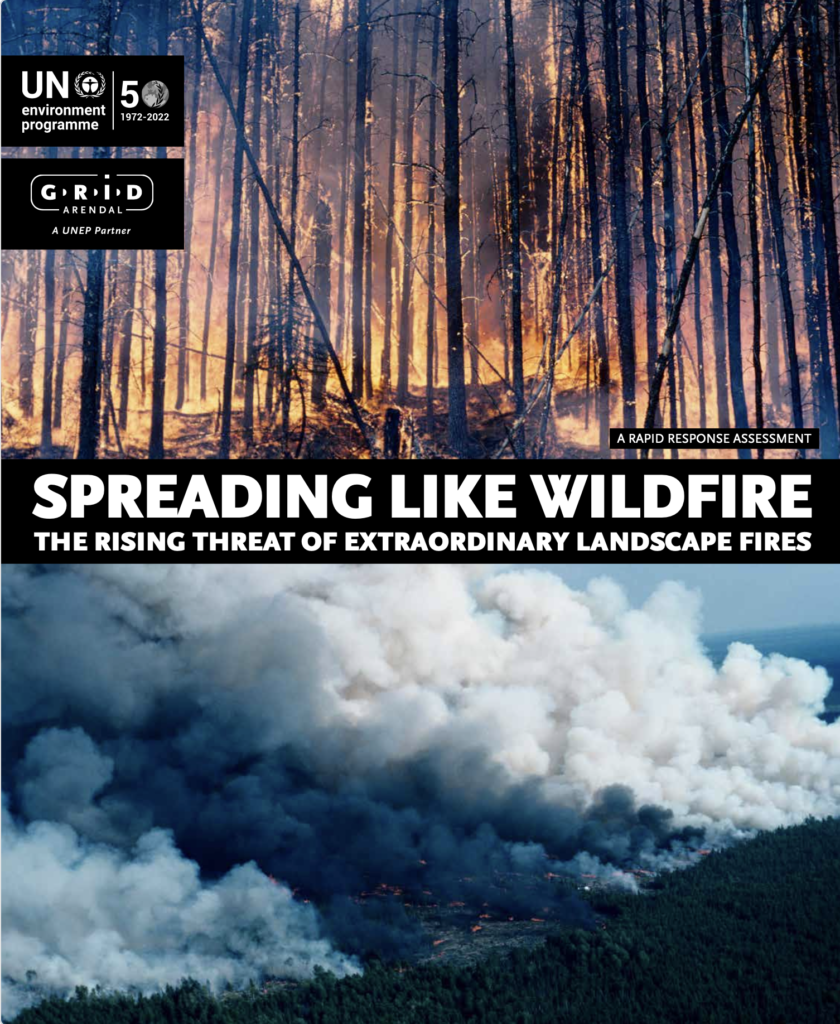
The paper calls for a radical change in government spending on wildfires, shifting their investments from reaction and response to prevention and preparedness.
The report, Spreading like Wildfire: The Rising Threat of Extraordinary Landscape Fires, finds an elevated risk even for the Arctic and other regions previously unaffected by wildfires. The report is released before representatives of 193 nations convene in Nairobi for the resumed 5th session of the UN Environment Assembly (UNEA-5.2), between 28 February and 2 March, 2022.
The publication calls on governments to adopt a new ‘Fire Ready Formula,’ with two-thirds of spending devoted to planning, prevention, preparedness, and recovery, with one third left for response. Currently, direct responses to wildfires typically receive over half of related expenditures, while planning and prevention receive less than one per cent.
To prevent fires, authors call for a combination of data and science-based monitoring systems with indigenous knowledge and for a stronger regional and international cooperation.
Current government responses to wildfires are often putting money in the wrong place. Those emergency service workers and firefighters on the frontlines who are risking their lives to fight forest wildfires need to be supported. We have to minimize the risk of extreme wildfires by being better prepared: invest more in fire risk reduction, work with local communities, and strengthen global commitment to fight climate change” said Inger Andersen, UNEP Executive Director.
Wildfires disproportionately affect the world’s poorest nations. With an impact that extends for days, weeks and even years after the flames subside, they impede progress towards the UN Sustainable Development Goals and deepen social inequalities:
- People’s health is directly affected by inhaling wildfire smoke, causing respiratory and cardiovascular impacts and increased health effects for the most vulnerable;
- The economic costs of rebuilding after areas are struck by wildfires can be beyond the means of low-income countries;
- Watersheds are degraded by wildfires’ pollutants; they also can lead to soil erosion causing more problems for waterways;
- Wastes left behind are often highly contaminated and require appropriate disposal.
Wildfires and climate change are mutually exacerbating. Wildfires are made worse by climate change through increased drought, high air temperatures, low relative humidity, lightning, and strong winds resulting in hotter, drier, and longer fire seasons. At the same time, climate change is made worse by wildfires, mostly by ravaging sensitive and carbon-rich ecosystems like peatlands and rainforests. This turns landscapes into tinderboxes, making it harder to halt rising temperatures.
Wildlife and its natural habitats are rarely spared from wildfires, pushing some animal and plant species closer to extinction. A recent example is the Australian 2020 bushfires, which are estimated to have wiped out billions of domesticated and wild animals.
There is a critical need to better understand the behaviour of wildfires. Achieving and sustaining adaptive land and fire management requires a combination of policies, a legal framework and incentives that encourage appropriate land and fire use.
The restoration of ecosystems is an important avenue to mitigate the risk of wildfires before they occur and to build back better in their aftermath. Wetlands restoration and the reintroduction of species such as beavers, peatlands restoration, building at a distance from vegetation and preserving open space buffers are some examples of the essential investments into prevention, preparedness and recovery.
The report concludes with a call for stronger international standards for the safety and health of firefighters and for minimising the risks that they face before, during and after operations. This includes raising awareness of the risks of smoke inhalation, minimising the potential for life-threatening entrapments, and providing firefighters with access to adequate hydration, nutrition, rest, and recovery between shifts.
The report was commissioned in support of UNREDD and the UN Decade on Ecosystem Restoration. UNEP will be exploring how further investments can be made to reduce fire risks in critical ecosystems around the world.
- The full report is available post-embargo here: https://bit.ly/3p7UiP0
Coverage highlights:
Associated Press, United States: UN: Wildfires getting worse globally, governments unprepared
Spanish
Agence France Presse, France
World must brace for more extreme wildfires: UN
French
Spanish
Portuguese
German
Reuters, United Kingdom
1) Extreme wildfires are here to stay – and multiply
2) EXPLAINER: ‘Catastrophic’ wildfire risk is growing. Here’s how to cut it
Press Association, United Kingdom: Wildfires getting worse worldwide, with governments unprepared – UN report
Agencia EFE, Spain: Naciones Unidas advierte que el número de incendios forestales aumentará en un 50 % para el 2100
LUSA, Portugal: Peritos da ONU alertam para aumento da intensidade e frequência dos incêndios
Anadolu Agency, Turkey: UN: Šumski požari se pogoršavaju, svijet nepripremljen
Xinhua / 新华网, Mainland China: UNEP calls for investments to mitigate wildfires amid threat
AAP Australia: Extreme wildfires here to stay
News sites
United States
Washington Post
1) Risk of uncontrollable wildfires will rise and spread globally, United Nations warns
2) Editorial: Opinion: The extreme wildfires raging around the world could become a lot worse
New York Times: Climate Change Could Increase Risk of Wildfires 50% by Century’s End
Wall Street Journal: Wildfires Will Become More Intense and Frequent, U.N. Study Finds
The Hill: Wildfire incidence to increase by 50 percent by 2100: UN study
CNN International: Wildfires are getting more extreme and burning more land. The UN says it’s time to ‘learn to live with fire’
Bloomberg: Extreme Wildfire Impacts to Rise Dramatically by 2100, UN Says
Los Angeles Times: Wildfires are getting worse across the globe. How does California compare?
The Verge: Firefighting strategies need an extreme makeover, UN warns
Forbes:
1) Climate Change Could Drive Wildfire Risk Up 50% By End Of Century, UN Warns
2) Wildfires Could Increase 50% This Century. Here’s What To Do About It
BBC United Kingdom: Global warming and land use change to drive more extreme wildfires
The Guardian United Kingdom: Wildfires likely to increase by a third by 2050, warns UN
The Independent, United Kingdom: Global warming ‘turning landscapes into tinderboxes,’ UN wildfires report warns
El Confidencial, Spain: El número de incendios aumentará un 50% de aquí a 2100 y los Gobiernos no están preparados
stern, Germany: UN-Bericht Extreme Waldbrände werden in kommenden Jahren drastisch zunehmen
Der Spiegel, Germany: KatastrophenExperten warnen vor extremem Anstieg von Waldbränden
FAZ, Germany: Schwere Wald- und Buschbrände sollen massiv zunehmen
CGTN, Mainland China: Wildfires to increase by 50% by 2100: UN Environment Programme report
Naver, Korea: UN 기후변화로 2050년엔 산불 30% 증가한다
Tribunnews, Indonesia:
1) PBB: Dunia Bersiap Hadapi Kebakaran Hutan yang Lebih Ekstrem
2) PBB: Jumlah Kasus Kebakaran Hutan di Dunia akan Meningkat karena Pemanasan Global
Sydney Morning Herald, Australia: Longer fire seasons, warmer nights predicted as firefighters reach technological limits
NRK Norway: Varsler 30 til 50 prosent flere katastrofebranner i fremtiden
Sciences et Avenir, France: Le monde n’est pas prêt à affronter les méga-feux appelés à augmenter
Television
CNN: https://www.youtube.com/watch?v=Iy3ijaYbJvg
Reuters TV: https://www.youtube.com/watch?v=YQYHC2470zY
Associated Press Television: https://www.youtube.com/watch?v=Ysq031QxAZI
AFP TV: https://www.youtube.com/watch?v=6e1dqLAQZcI
ANSA TV, Italy, https://www.youtube.com/watch?v=muqNLc5XQ-c
Adnkronos, Italy https://www.youtube.com/watch?v=fNz5sUV1_vs
PBS Newshour, USA, https://www.youtube.com/watch?v=sl1SdsvZNFQ
CBC Television, Canada, The National https://www.youtube.com/watch?v=RFHig_KeGmM
Newspapers in print
USA
New York Times, United States, Pages 1, 5
Wall Street Journal, United States, Page 9
Washington Post United States Page 16
New York Daily News United States Page 13
Baltimore Sun United States Page: 7
Philadelphia Inquirer United States Page 9
Chicago Tribune United States Page 18
Los Angeles Times United States Page 2
San Francisco Chronicle United States Page 2
Dallas Morning News United States Page 3
The Guardian United Kingdom Page: 27
Deutsche Welle, Germany Page 33
Millennium Post, India Page: 8
Hindustan Times (Delhi) India Page: 4
The Straits Times Singapore Page: 19
Manila Standard Philippines Page: 6
ABC Spain Page: 37
The Irish Times Ireland Page 1
Hürriyet Daily News & Economic Review Turkey Page: 1
El Heraldo (Colombia), Page: 1
Full coverage summary, click here
News release in full, click here
]]>
Global Biodiversity Outlook 5 report outlines 8 major transitions needed to slow, then halt nature’s accelerating decline
Final report card on Aichi Biodiversity Targets, set in 2010: 6 of world’s 20 goals “partially achieved” by 2020 deadline.
Towards a landmark new global post-2020 biodiversity framework: GBO-5 synthesizes scientific basis for urgent action.
Bright spots include: extinctions prevented by conservation, more land and oceans protected, fish stocks bounce back in well-managed fisheries.
Montreal — Despite encouraging progress in several areas, the natural world is suffering badly and getting worse. Eight transformative changes are, therefore, urgently needed to ensure human wellbeing and save the planet, the UN warns in a major report.
The report comes as the COVID-19 pandemic challenges people to rethink their relationship with nature, and to consider the profound consequences to their own wellbeing and survival that can result from continued biodiversity loss and the degradation of ecosystems.
The Global Biodiversity Outlook 5 (GBO-5), published by the UN Convention on Biological Diversity (CBD), offers an authoritative overview of the state of nature. It is a final report card on progress against the 20 global biodiversity targets agreed in 2010 with a 2020 deadline, and offers lessons learned and best practices for getting on track.
“This flagship report underlines that ‘humanity stands at a crossroads with regard to the legacy we wish to leave to future generations,'” said CBD Executive Secretary, Elizabeth Maruma Mrema.
“Many good things are happening around the world and these should be celebrated and encouraged. Nevertheless, the rate of biodiversity loss is unprecedented in human history and pressures are intensifying. Earth’s living systems as a whole are being compromised. And the more humanity exploits nature in unsustainable ways and undermines its contributions to people, the more we undermine our own well-being, security and prosperity.”
News release in full, click here
GBO5 media coverage, summary presentation, click here
Mainstream media coverage summary spreadsheet (here)
Total # of hits at online news sites: 1,235
Different news sites that ran one or more stories: 1,196
Languages: 21
Countries: 65
Potential impressions (online only, does not include TV, radio, newspaper print editions): 3.36 billion
- English: World missing all targets to save nature, UN warns, click here
- Portuguese: Estados fracassaram em preservar biodiversidade na década passada, diz ONU, click here
- French: Constat d’échec de l’ONU pour la protection de la biodiversité, click here
- German: Staaten verfehlen weltweite Artenschutz-Ziele laut UNO massiv, click here
- Dutch: VN: wereld mist alle doelstellingen om de natuur te redden, click here
- Norwegian: FN slår alarm om manglande bevaring av naturmangfaldet på jorda, click here
CBS News, United States (30,589,852), More than 150 countries made a plan to preserve biodiversity a decade ago. A new report says they mostly failed, click here
15-SEP-2015
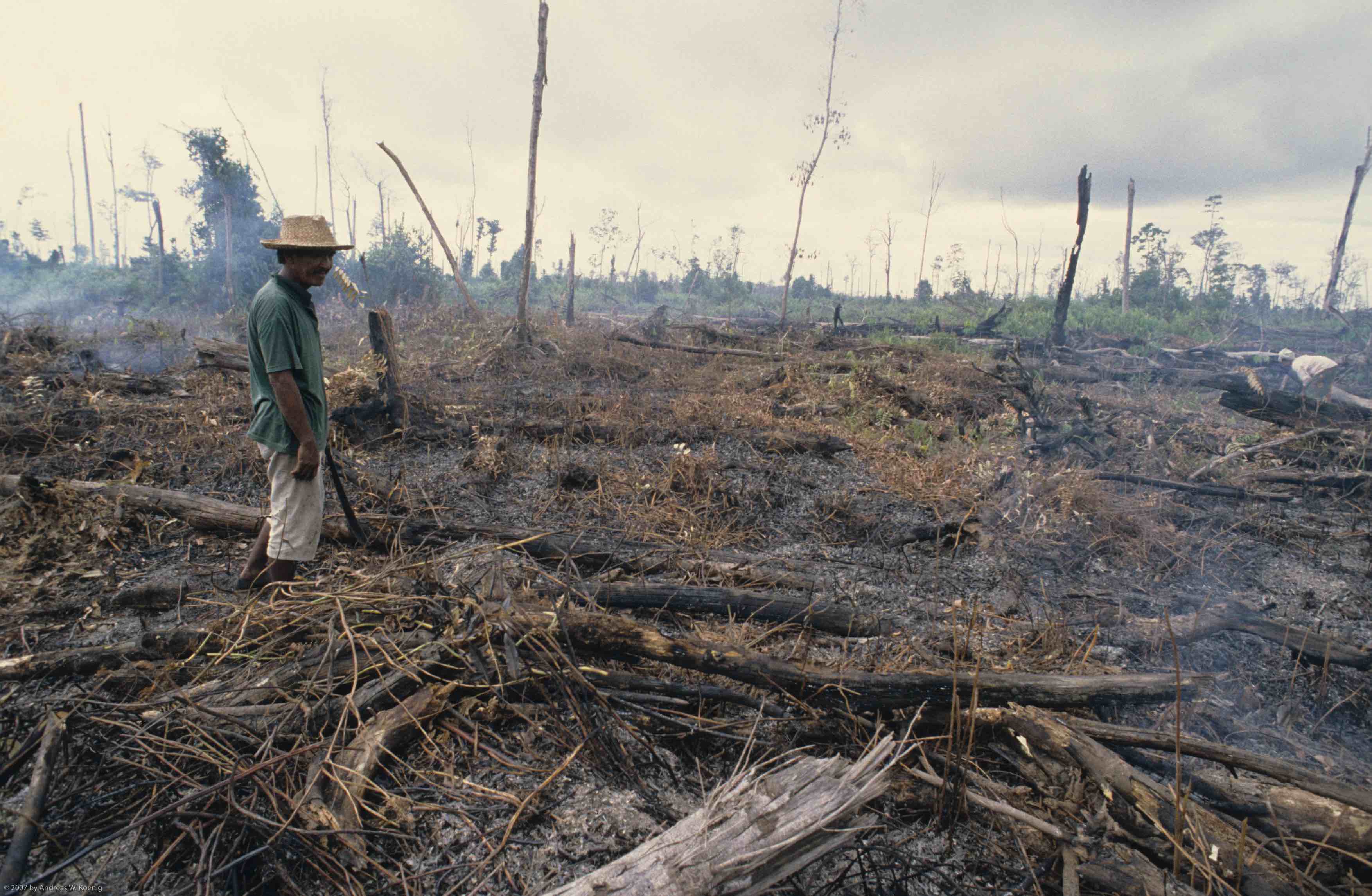
To better inform the tradeoffs involved in land use choices around the world, experts have assessed the value of ecosystem services provided by land resources such as food, poverty reduction, clean water, climate and disease regulation and nutrients cycling.
Their report today estimates the value of ecosystem services worldwide forfeited due to land degradation at a staggering US $6.3 trillion to $10.6 trillion annually, or the equivalent of 10-17% of global GDP.
Furthermore, the problem threatens to force the migration of millions of people from affected areas. An estimated (http://bit.
Effectively addressing land degradation could help avert that humanitarian crisis and add US $75.6 trillion to annual world income, according to the report, “The Value of Land”, produced by The Economics of Land Degradation Initiative.
With guidance by United Nations University’s Canadian-based Institute for Water, Environment and Health and the CGIAR’s Research Programme on Drylands Systems, the report culminates a four-year collaboration involving 30 renowned international research and policy institutes. The Initiative is funded by the German Federal Ministry for Economic Cooperation and Development, the European Commission and the Korean Forest Service.
Some 52% of world agricultural land is moderately or severely degraded, the report says.
However, “the economics of land degradation is about a lot more than agriculture.”
For example, soil is second only to oceans as the planet’s largest carbon sink, while agriculture and land use changes represent the second largest source of greenhouse gas emissions. Addressing land degradation and its causes, therefore, represents a double-sided way to reduce greenhouse gas emissions, the report says.
“Adequate management of agricultural and forestry land uses are amongst the lowest-cost actions that can reduce global warming, and most actions are either neutral cost or of positive net profit to society, requiring no substantial capital investment,” the report says.
National studies verify that the value of ecosystem services and benefits far outweigh the cost of preventing land degradation or the cost of remediation in most situations.
The report calls on countries to recognize the huge value of improved land management and to enhance institutional capacity and knowledge in the area, together with national policy, economic, legislative and regulatory frameworks.
The authors note that cost-benefit analyses of sustainable land management scenarios “can be done even with limited data availability,”and underscore that, despite an inevitable degree of uncertainty, “it is imperative to take action now, as every day sees the loss of more productive land that will have to be gained back.”
Quick facts from the report:
- Land cover changes since year 2000 are responsible for half to 75% of the lost ecosystem services value
- The value of lost ecosystem services due to land degradation averages US $43,400 to $72,000 per square km, some US $870 to $1,450 per person, globally each year
- Agricultural investments of US $30 billion per year are needed to feed the world’s growing population
- The percentage of Earth’s land stricken by serious drought doubled from the 1970s to the early 2000s
- One third of the world is vulnerable to land degradation; one third of Africa is threatened by desertification
- A future focused on a shift to sustainability will see the greatest increase in ecosystem service values and GDP.
Comments
Monique Barbut, Executive Secretary, UN Convention to Combat Desertification: “As Oscar Wilde put is once ‘people know the price of everything and the value of nothing.’ This is certainly true when we look at our land resources – we do not value them. The ELD Initiative proves it should be a no-brainer. Land degradation eats away at our fertile land. That is our common resource base. It is time to efficiently and cost-effectively harness the land and land-based ecosystems to provide for our needs and secure our livelihoods.”
Karmenu Vella, European Commissioner for Environment, Fisheries and Maritime Affairs: “This study by ELD shows the immediate and global impact of land degradation and highlights that actions to tackle it pay off. Increased land degradation is also one of the factors that can lead to migration and it is being exacerbated by climate change. On our planet, the area affected by drought has doubled in 40 years. One third of Africa is threatened by desertification. As President Juncker said in his State of the Union speech last week, climate refugees will become a new challenge – if we do not act swiftly. We need to be as ambitious as possible in the negotiations for COP 21 in Paris”
###
The Economics of Land Degradation (ELD) Initiative
ELD was created to help raise global awareness of the full economic potential of land and land services, including market and non-market values (e.g., carbon sequestration, recreational values, nutrient cycling, etc.) and the costs of land degradation.
The Initiative focused on creating efficient, practical tools and methodologies to fully assess land’s value and thus encourage sustainable land management.
By determining the economic values of ecosystem services preserved or enhanced through proper land management and restoration, the ELD Initiative has created ‘a common language’ to help communities choose between land use options.
Options to address land degradation include reforestation, afforestation, sustainable agricultural practices, and establishing alternative livelihoods such as eco-tourism. Potential economic tools include payments for ecosystem services, subsidies, taxes, voluntary payments for environmental conservation, and access to micro-finance and credit. Facilitating sustainable land management also requires using legal, social marketing, and policy tools.
Final report
The Value of Land
In full: http://bit.
Summary of findings and recommendations: Pages 133-136
* * * * *
News release in full, click here
Example coverage:
Washington Post, USA: “Damaging the land we live on is costing humans trillions every year,” click here
Reuters, UK: “Spread of deserts costs trillions, spurs migrants: study,” click here
Portuguese: “Expansão de desertos custa trilhões e gera migração, diz estudo da ONU,” click here
Chinese: “土地退化經濟損失 1年逾數兆美元,” click here
The Guardian, UK: “Land degradation costs the world up to $10.6tn a year, report says,” click here
Newsweek, USA: “Climate Change Will Cause the World’s Next Migration Crisis (Frank Biermann commentary),” click here; “Lack of Resources Could Create 50 Million Climate Migrants in Decade, Says Report,” click here
Deutsche Presse Agentur (DPA), Germany, German: “UN-Studie: Riesen-Verluste drohen: 50 Millionen Flüchtlinge durch Bodenzerstörung,” click here (also via APA, Austria: click here)
ANSA, Italy, Italian: “Il 17% del Pil mondiale va in fumo per degradazione suolo,” click here
Agencia EFE, Spain, Spanish: “El mundo pierde hasta un 17 % de PIB anual por la degradación del suelo,” click here
Actualités News Environnement, France, French: “La désertification coûte des trillions et suscite la migration,” click here
Indo-Asian News Service, India: “Land degradation can create 50 million migrants in a decade: Study,” click here
Maailma, Finland, Finnish: “Raportti: Maaperän rappeutuminen maksaa biljoonia vuodessa,” click here
صحيفة حريات, (Hurriyat) Sudan, Arabic: “دراسة دولية جديدة : السودان يخسر أكثر من (7% ) من قيمة أراضيه,” click here
DiaCaf, Romania, Romanian: “Criza refugiatilor nu se termina curand. Specialistii avertizeaza: mai urmeaza un val!,” click here
Dnevnik, Bulgaria, Bulgarian: “Разширяването на пустините струва трилиони долари и създава милиони имигранти,” click here
New Europe, Belgium: “What if Syria is only the beginning of the refugee crisis?,” click here
Sueddeutsche, Germany, German: “Das unterschätzte Gut,” click here
Protothema, Greece, Greek: “Κίνδυνος για την ανθρωπότητα η εξάπλωση των ερήμων,” click here
iPolitics, Canada: “Next wave of migrants will be seeking arable land, warn experts,” click here
International Business Times, USA
“Land Degradation, Desertification Might Create 50 Million Climate Refugees Within A Decade,” click here
EurActiv, EU, German: “Land in Sicht: Den Wert unseres Bodens erkennen,” click here
Aamulehti, Finland, Finnish: “Tuore raportti: Kymmenessä vuodessa jopa 50 miljoonaa ympäristöpakolaista lisää,” click here
Merdeka, Indonesia, Indonesian: “Bumi tengah menderita! 5 Fakta kerusakan lingkungan ini bikin ngeri,” click here
* * * * *
Complete coverage summary, click here
]]>06 Jun 11

Forests in many regions are becoming larger carbon sinks thanks to higher density, U.S. and European researchers say in a new report.
In Europe and North America, increased density significantly raised carbon storage despite little or no expansion of forest area, according to the study, led by Aapo Rautiainen of the University of Helsinki, Finland, and published in the online, open-access journal PLoS One.
Even in the South American nations studied, more density helped maintain regional carbon levels in the face of deforestation.
The researchers analyzed information from 68 nations, which together account for 72 percent of the world’s forested land and 68 percent of reported carbon mass. They conclude that managing forests for timber growth and density offers a way to increase stored carbon, even with little or no expansion of forest area.
Full news release: click here
Coverage summary: click here
Example coverage, by Reuters: click here
]]>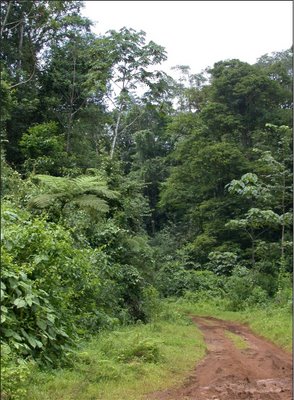 Satellite data and other research reveal that huge tracts of abandoned tropical forests that were once logged or farmed are regrowing, prompting a contentious debate among world scientists convening at the Smithsonian’s National Museum of Natural History Jan. 12.
Some researchers contend that this process has been inadequately factored into estimates of future species loss and that the biodiversity crisis has been overstated ( the prevailing scientific prediction is that up to half of all species may be lost in our lifetimes ).
Others contend that only 50 to 80 percent of plant species may return to logged or altered forests, and many animal species will not survive the transition.
Still others warn that the continuing rapid expansion of logging and mining roads makes forest access easier for commercial poachers and the hungry, with animals being hunted for exotic food, trophies, medicine and pets on levels that threaten the continued existence of many species.
They state that this increasingly massive harvest of animals, combined with the emergence of devastating wildlife diseases, habitat loss due to industrial scale development, climate change and other factors, is a recipe for catastrophic biodiversity collapse, despite encouraging evidence of rainforest regrowth in many places.
The need to shed light on these issues has prompted the Smithsonian to invite leading experts to present their ideas at a major symposium on the tropical extinction crisis, featuring eight researchers whose symposium papers will be published in a special volume of the U.S. journal Conservation Biology.
Full text: http://media-newswire.com/release_1083946.html
Coverage summary: http://spreadsheets.google.com/ccc?key=pRwdzmg01IrRN-FMpvxkScg
]]>29 Nov 07
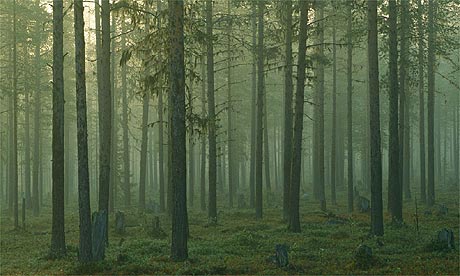 European Union countries likely require an old ally – Mother Nature and her forests – to meet an ambitious post-Kyoto goal for cutting greenhouse gas emissions 20% by 2020, according to new research.
The University of Helsinki study says that despite rising population and affluence, the EU can meet its obligations post-Kyoto (2012-2020). However, it will likely require more than energy savings, new technologies and mitigating non-CO2 gasses such as methane; partial credit for expansion of the region’s forests could be decisive, say researchers Pekka E. Kauppi, Laura Saikku and Aapo Rautiainen, whose report, The Sustainability Challenge of Meeting Carbon Dioxide Targets in Europe by 2020, is published today in the peer-reviewed UK journal Energy Policy.
Full release text: www.eurekalert.org/pub_releases/2007-11/uoh-efk_1112707.php
Coverage summary:
http://spreadsheets.google.com/ccc?key=pRwdzmg01IrTLT2FfphVpGw&hl=en
Example coverage, by The Guardian, click here, by Reuters, click here
]]>DIVERSITAS, Paris

Warning that Earth is on the verge of “a major biodiversity crisis,” 19 of the field’s most distinguished scientists and policy experts today called for a new global coordinating mechanism to provide a united, authoritative scientific voice to inform government decision-making internationally.
And they called upon the wider scientific community and stakeholders to lend active support to a newly established consultation process designed to create just such an international organizing and unifying mechanism for science advice on biodiversity.
Full text: www.eurekalert.org/pub_releases/2006-07/d-tob071706.php
Example coverage: Environment News Service, click here, by Reuters, click here
University of Helsinki / Rockefeller University, New York
‘Growing stock’ expanding in most forested nations, even with modest prosperity
 An increasing number of countries and regions are transitioning from deforestation to afforestation, raising hopes for a turning point for the world as a whole, according to researchers advancing a more sophisticated approach to measuring forest cover.
The novel approach looks beyond simply how much of a nation’s area is covered by trees and considers the volume of timber, biomass, and captured carbon within the area. It produces an encouraging picture of Earth’s forest situation and may change the way governments size up their woodland resources in future.
The paper, published Nov. 20 in the peer-reviewed US journal Proceedings of the National Academy of Sciences was created by six experts from diverse academic disciplines (forestry, environmental technology, ecology, geography, resource economics, and agronomy) in China, Finland, Scotland, and the USA who, following independent lines of thinking, came to agree that forest transition on a major scale is underway and have now collectively demonstrated it.
Full text: http://www.eurekalert.org/pub_releases/2006-11/uoh-eod111006.php
Coverage summary:
http://spreadsheets.google.com/ccc?key=pRwdzmg01IrSTNQTfAoWZKg&hl=en