Deep Carbon Observatory

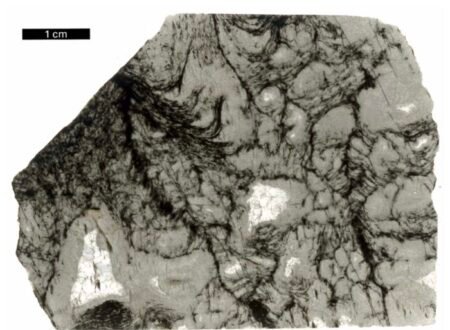
Chemical evidence of ancient life detected in 3.3 billion-year-old rocks

Carnegie Institution for Science, Washington DC New method also detects molecular signs of photosynthesis almost 1 billion years earlier than previously documented; Combining chemistry and

READ MORE

Leading scientists, philosophers identify nature’s missing evolutionary law

Carnegie Science, Washington DC Evolution of plants, animals: “A very special case within a far larger natural phenomenon.” Similar marvels occur with stars, planets, minerals,

READ MORE

Did life exist on Mars? Other planets? With AI’s help, we may know soon

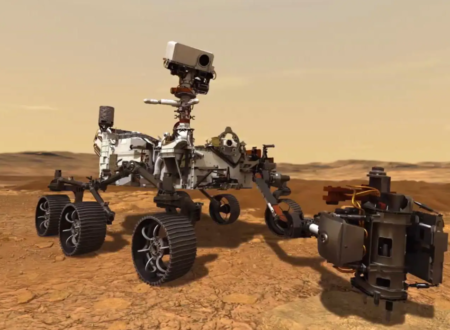
Carnegie Science, Washington DC ‘Holy Grail of astrobiology’: Machine learning technique reveals a sample’s biological or non-biological origin with 90% accuracy Scientists have discovered a

READ MORE

Crushed, zapped, boiled, baked, more: Nature used 57 recipes to make Earth’s 10,500+ ‘mineral kinds’

Carnegie Science, Earth & Planets Laboratory, Washington DC Water helped 80+% of mineral species to form Biology had a direct or indirect role in ~50%

READ MORE

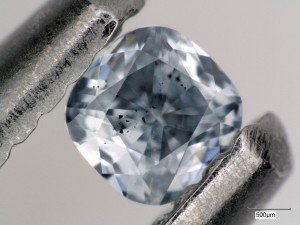
Imperfect diamonds paved road to historic Deep Earth discoveries

Deep Carbon Observatory, Carnegie Institution, Washington DC Materials trapped inside diamonds offer clues to life’s origin; suggest oceans’ worth of water hidden in Deep Earth

READ MORE

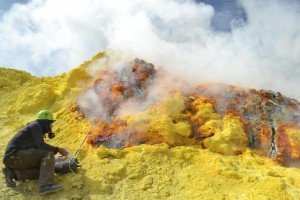
Scientists quantify global volcanic CO2 venting; estimate total carbon on Earth

Deep Carbon Observatory, Carnegie Institution, Washington DC Scientists update estimates of Earth’s immense interior carbon reservoirs, and how much carbon Deep Earth naturally swallows and

READ MORE

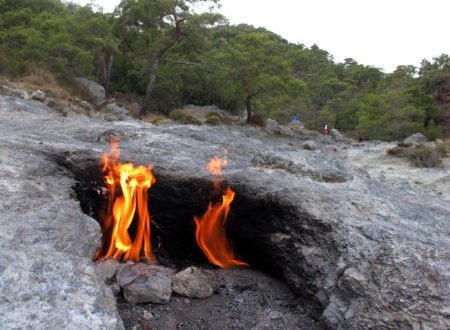
Rewriting the textbook on fossil fuels: New technologies help unravel nature’s methane recipes

Deep Carbon Observatory  Washington DC Not all methane originated in buried, decayed remains of ancient life; some deep hydrocarbons aren’t conventional ‘fossil fuels’ as popularly

READ MORE

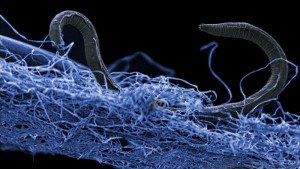
Life in deep Earth totals 15 to 23 billion tonnes of carbon — hundreds of times more than humans

Deep Carbon Observatory   Washington DC Deep Carbon Observatory collaborators, exploring the ‘Galapagos of the deep,’ add to what’s known, unknown, and unknowable about Earth’s most

READ MORE

Big data points humanity to new minerals, new deposits

Carnegie Science / Deep Carbon Observatory, Washington DC The private lives of minerals: Understanding how and where minerals hook up helps predict discovery; At least

READ MORE

Catalog of 208 human-caused minerals bolsters argument to declare ‘Anthropocene Epoch’

Carnegie Science – Deep Carbon Observatory, Washington DC Humans: The greatest contributor to diversity of minerals since oxygen; Officially recognized minerals, formed by nature: More than 5,000;

READ MORE

For a special Valentine? Beyond diamonds and gems: The world’s rarest minerals

American Mineralogist 12 Feb 2016 What do 2,500+ obscure, isolated mineral species reveal about Earth? Nevadaite, a category 1 and 2 rarity — formed from

READ MORE

Deep Carbon Observatory scientists discover quick recipe for producing hydrogen

Deep Carbon Observatory, Washington DC 8 December 2013 New formula for fast, abundant H2 production may help power fuel cells, helps explain expansive chemical-eating microbial

READ MORE

Deep Carbon: Quest underway to discover its quantity, movements, origins and forms in Earth

Deep Carbon Observatory, Carnegie Institution of Washington DC 4-Mar-2013 Probing the secrets of volcanoes and diamonds, sources of gas and oil, and the origins of life

READ MORE